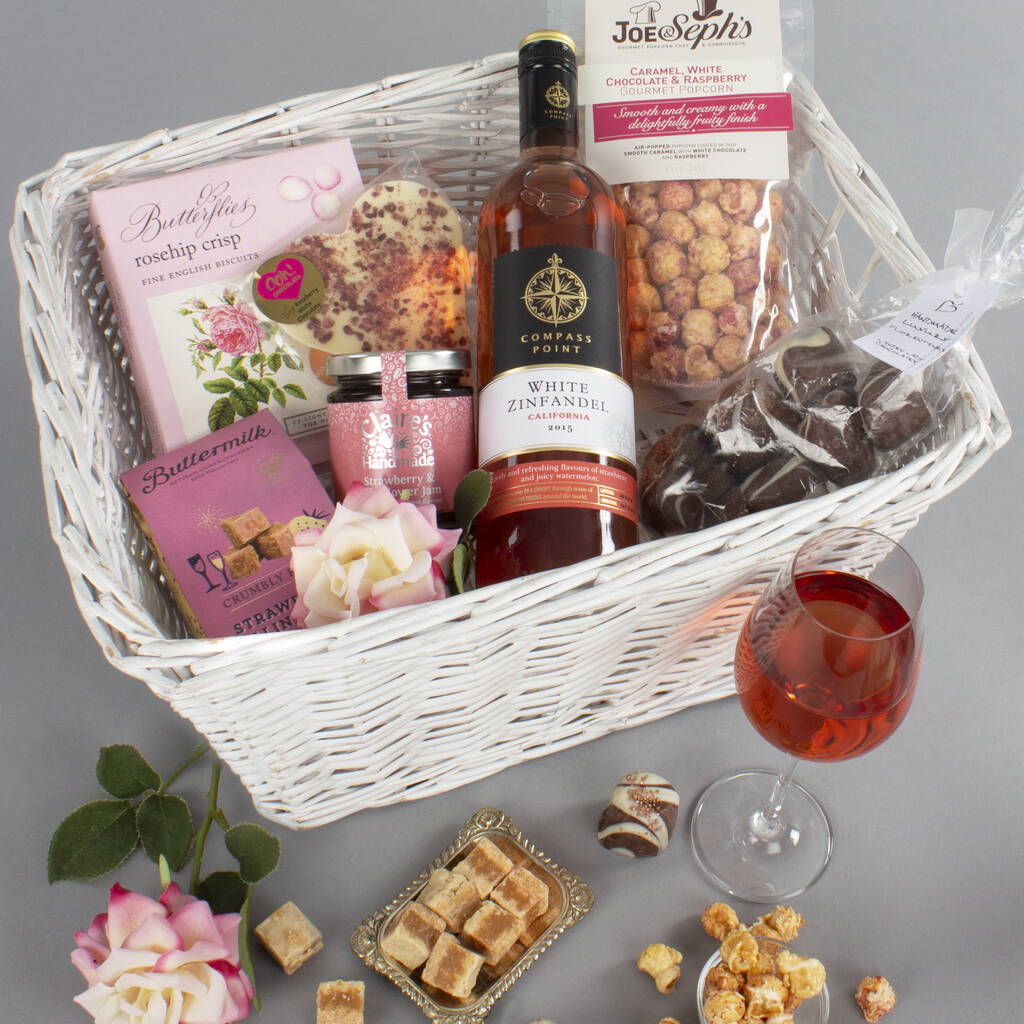
Gift baskets are the digital equivalent of a warm hug—compact, colorful, and surprisingly versatile. Whether you’re a small‑biz owner or a busy e‑commerce entrepreneur, you’ve probably faced the inevitable question: How to handle returns for ready‑to‑send gift baskets? The answer isn’t as simple as flipping a switch; it’s a blend of logistics, customer service, and a touch of humor to keep the process smooth.
The Return Landscape: Why It Matters
Before diving into the nitty‑gritty, let’s set the stage. Returns can be a double‑edged sword: they protect buyers, build trust, and can even boost repeat business when handled right. But they also drain resources if the process is clunky. Think of returns as a storm—if you’re prepared, you’ll stay dry; if not, you’ll get soaked.
Common Return Scenarios
- Damaged or defective items – the classic “oops” moment. Wrong product sent – a mismatch between expectation and reality. Size or taste mismatch – especially relevant for food‑based baskets. Change of mind – the “I actually don’t need that anymore” case.
Understanding these triggers helps you design a policy that covers the most frequent headaches.

Crafting a Clear Return Policy
A policy is like a recipe: follow it, and the outcome is predictable. Your return policy should be:
- Transparent – no hidden clauses. Accessible – easy to find on your site or packaging. Consistent – applied uniformly across all channels.
Key Elements to Include
- Time frame – e.g., 30 days from receipt. Condition of items – unopened, unused, or with original packaging. Refund or exchange options – cash, store credit, or replacement. Return shipping responsibilities – who pays and how.
> “The best customer service is the one you don’t have to offer,” says Tom Peters. A clear policy reduces the need for post‑purchase customer support.
Step‑by‑Step: How to Handle Returns for Ready‑to‑Send Gift Baskets
1. Receive the Return Request
When a customer initiates a return, capture all relevant data: order number, reason, and any photos. A quick, friendly email confirmation can set a positive tone.
> Rhetorical question: Have you ever felt the relief of a well‑structured return email? It’s like finding a spare key in a drawer you didn’t know existed.
2. Verify the Return Eligibility
Cross‑check the request against your policy. If the basket was opened or the return is outside the window, politely explain the limitation. Empathy goes a long way—remember, the customer isn’t asking for a favor; they’re exercising a right.
3. Issue a Return Authorization (RMA)
Provide a prepaid return label or clear instructions on how to ship the basket back. For ready‑to‑send baskets, include:
- Secure packaging instructions – to prevent damage during transit. Tracking number – so you can monitor the return.
4. Inspect Upon Arrival
When the basket returns, inspect it for:
- Physical condition – any tears, spills, or broken items. Packaging integrity – if the packaging was compromised, it might affect the refund decision.
If everything checks out, move to the next step. If not, communicate the issue transparently and offer a https://benjamricardydqtx.contently.com/ suitable resolution.
5. Process the Refund or Exchange
- Refund – credit the original payment method. If the customer chose a different method, confirm the details. Exchange – ship the replacement basket promptly. Include a note thanking the customer for their patience.
6. Update Inventory and Records
Adjust your inventory levels to reflect the returned items. This helps maintain accurate stock and prevents overselling.
Practical Tips for Smooth Returns
- Use a dedicated returns portal – simplifies tracking and reduces manual errors. Automate email notifications – keeps customers informed at every stage. Offer a “return‑friendly” packaging design – sturdy boxes, double‑sealed bags, and clear labeling reduce damage risk. Train staff on empathy – a polite tone can turn a potentially negative experience into a positive one.
Anecdote
I once ran https://escatter11.fullerton.edu/nfs/show_user.php?userid=9422279 a boutique that shipped a “cheese & wine” basket to a customer who claimed the wine had gone flat. After a quick photo review, we discovered the wine had been stored in a temperature‑controlled box that was inadvertently opened. We apologized, sent a fresh bottle, and the customer became a loyal repeat buyer. A small mishap turned into a win—thanks to a proactive return policy.
Common Pitfalls to Avoid
- Overcomplicating the process – too many steps can discourage returns and frustrate customers. Ignoring customer feedback – if many returns cite the same issue, it’s a signal to tweak your product or packaging. Failing to communicate clearly – vague instructions can lead to lost packages or damaged returns.
Making Your Returns Work for You
By turning returns into a streamlined, customer‑centric process, you not only reduce operational headaches but also build trust. Think of your return policy as a safety net—when it’s solid, customers feel secure enough to try new products.
Final Thought
Remember, a return isn’t a failure; it’s an opportunity to refine your service. “The customer’s perception of your brand is shaped by every touchpoint,” says Seth Godin. Make that touchpoint a positive one, even if it involves a basket coming back to you.
The Perfect Gift Awaits
Now that you know how to handle returns for ready‑to‑send gift baskets with grace and efficiency, you can focus on what you do best: curating unforgettable gift experiences. Keep your policies clear, your packaging sturdy, and your customer service warm. The next time a basket returns, you’ll be ready to turn a potential setback into a showcase of your brand’s reliability—and maybe even a new customer story to share over a cup of coffee.